


Granite is the countertop everybody knows, which is exactly why plenty of people start hunting for something different. Maybe the price made you wince. Maybe you want a cleaner, more modern look, or you simply do not fancy sealing a surface once a year. Whatever your reason, there are genuinely good granite alternatives, and a few that look better than the hype suggests. Here are nine, compared honestly, so you can choose with confidence.
Quick picks
- Closest all-rounder: quartz (engineered stone).
- Best for heat: sintered stone or soapstone.
- Best natural look: quartzite.
- Best on a tight budget: laminate or solid surface.
- Best for a statement: marble or onyx.
Why people look for an alternative to granite
Granite is hard, heat tolerant and beautiful, so why look elsewhere? The reasons we hear most are:
- Price: exotic or rare colours can be expensive. Our guide to budget-friendly granite countertop solutions shows how to keep granite affordable if that is your main worry.
- Sealing: granite is porous and benefits from periodic sealing.
- Look: some homeowners want a more even, uniform or marble-like surface.
- Availability: your favourite colour may be out of stock.
If heat is your worry rather than price, note that granite is actually one of the best performers. Our article on granite and heat resistance explains why.
The 9 best alternatives to granite countertops
1. Quartz (engineered stone)
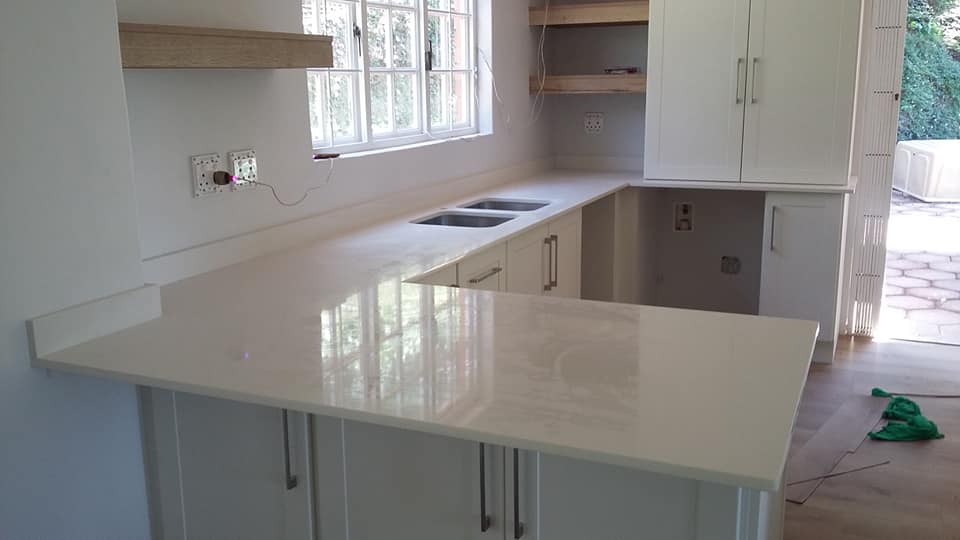
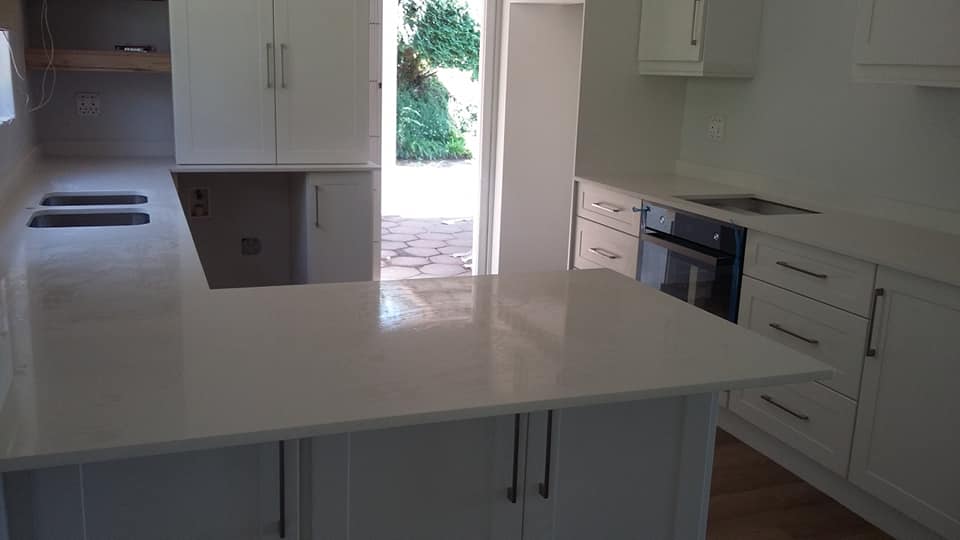
The most popular alternative by far. Crushed quartz bound with resin gives a non-porous surface with consistent patterns and a huge colour range. It needs no sealing, but dislikes direct heat and strong sun. We cover everything in our guide to quartz countertops in South Africa, and a head-to-head in quartz vs granite.
2. Sintered stone
Made from compacted minerals fired at very high temperatures, sintered stone is prized for resisting heat, scratches and stains, and it suits modern, slim-line designs. It is a premium choice, and you can see the material on our high sintered stone page.
3. Quartzite
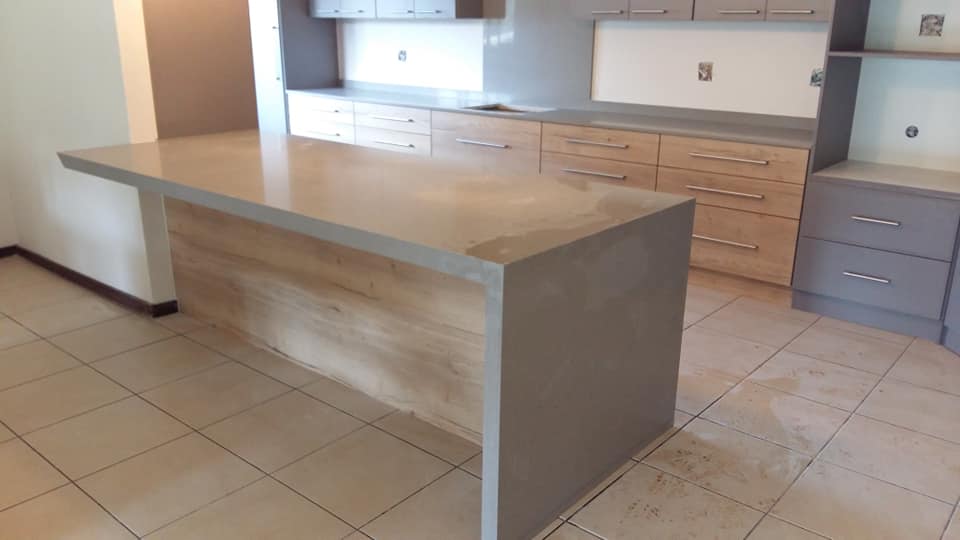
Not to be confused with quartz, quartzite is a natural stone with a hard, dense structure and a soft, flowing look. It gives you the natural character of granite with a lighter, more marble-like appearance.
4. Marble
Nothing beats marble for elegance, but it is softer and more porous, so it etches and stains more easily. It suits homeowners who accept a little patina. Read the pros and cons of marble countertops before you commit. The geology of marble explains why it behaves the way it does.
5. Onyx
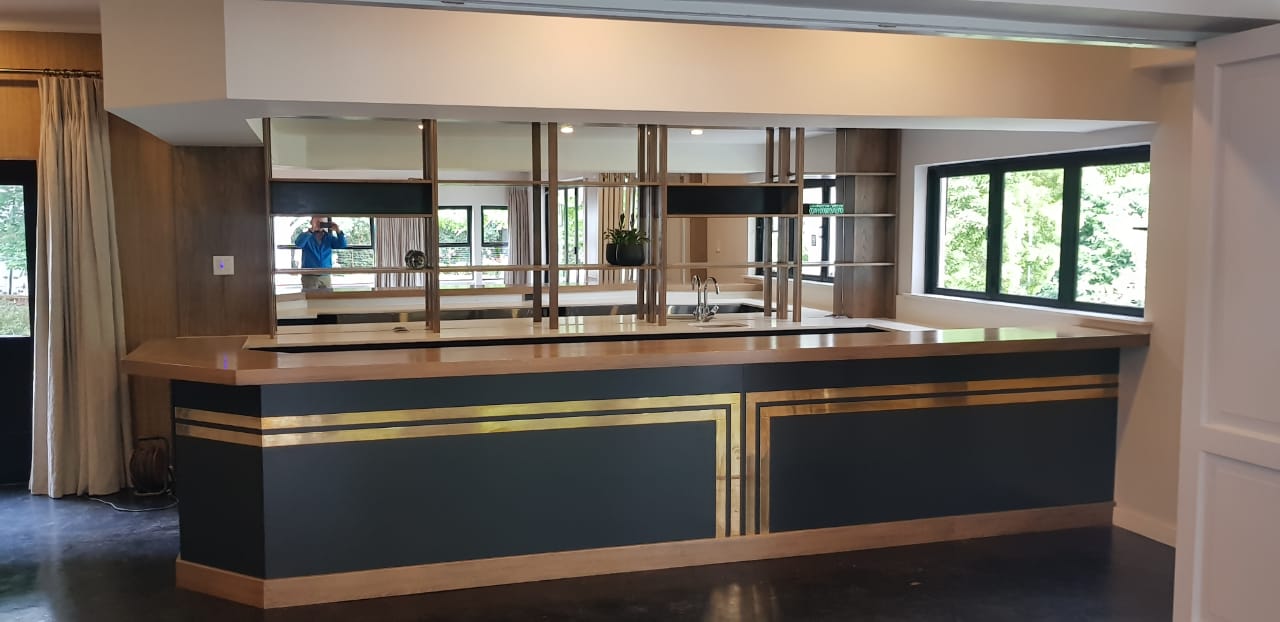
Onyx is translucent and dramatic, ideal for backlit bar fronts and feature panels rather than hard-working kitchen runs. See our comparison of onyx vs quartz kitchen countertops for where it fits.
6. Soapstone
A soft, matte natural stone that handles heat very well and develops a lovely patina. It scratches more easily than granite, so it suits people who like a lived-in look. Soapstone availability can be limited, so confirm supply before you design around it.
7. Solid surface
A man-made material with seamless joins and a repairable surface. It is gentler on the budget, but softer and less heat tolerant than stone.
8. Concrete
Poured or precast concrete gives an industrial, custom look. It needs sealing, can develop fine cracks, and suits people who like a handmade finish.
9. Timber butcher block
Warm, tactile and kind to the budget. Timber needs oiling, does not love standing water or heat, and is best used for an island or a section of the kitchen rather than around the sink.
| Alternative | Look | Heat | Sealing | Best for |
|---|---|---|---|---|
| Quartz | Even, modern | Use trivets | None | Family kitchens |
| Sintered stone | Sleek, ultra modern | Excellent | None | Minimalist designs |
| Quartzite | Natural, flowing | Very good | Yes | A natural look |
| Marble | Luxurious, veined | Good | Regularly | Statement kitchens, vanities |
| Onyx | Translucent, dramatic | Low | Yes | Feature walls, bar fronts |
| Soapstone | Matte, earthy | Excellent | Oil optional | Rustic, lived-in kitchens |
| Solid surface | Seamless | Low | None | Tight budgets |
| Concrete | Industrial | Good | Yes | Custom, handmade looks |
| Timber | Warm, natural | Low | Oiling | Islands and breakfast bars |

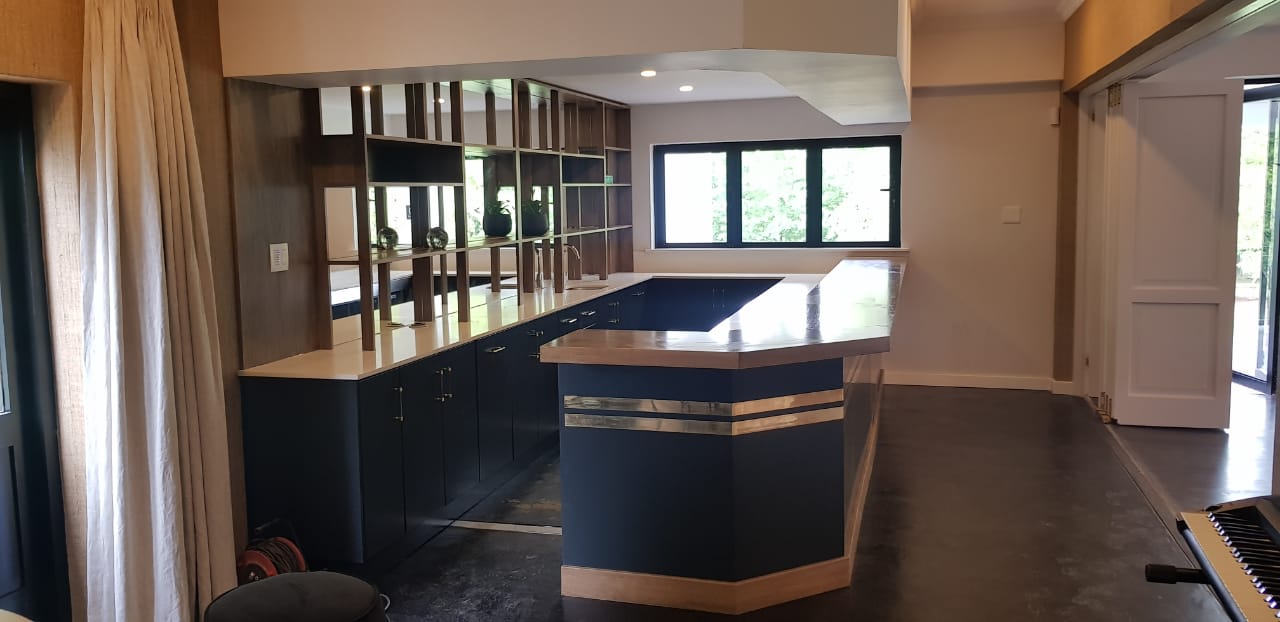
What about fake granite?
Search for a “fake granite countertop” and you will find two honest routes. Granite-look laminate is the cheapest, but it cannot be repaired well and dislikes heat. Speckled quartz is the more convincing option: it copies the granite look, adds a harder surface and needs no sealing. Either way, be upfront with yourself about whether you want the look of granite or the performance of a natural stone.
How to choose: a 4-step decision
- Decide how you cook. Heavy cooks should favour granite, sintered stone or soapstone.
- Set your maintenance comfort. If sealing sounds like a chore, shortlist quartz or sintered stone.
- Match the look. Our guide to the best granite colours for modern kitchens helps you work out which tone you actually love, whatever material you choose.
- Compare real slabs. Samples lie. Book a stone selection consultation and see the real thing in your light.
Still weighing up your options? Our comparison of kitchen countertop materials puts them all in one place, and our granite range is there if you decide granite was the right choice all along.
One safety note: engineered stone such as quartz can contain a high share of crystalline silica, which makes dust control during cutting important. The NIOSH guidance on engineered stone explains the issue, and it is a good question to ask any fabricator.
Not sure which surface suits your kitchen?
Tell us your layout and budget and we will recommend options. Request a free quotation or talk to our team.
Frequently asked questions about granite alternatives
What is the best alternative to granite countertops?
For most homes, quartz is the closest all-round alternative because it is non-porous, low maintenance and comes in a wide range of colours. If heat resistance matters most, sintered stone or soapstone are strong options.
What is the cheapest alternative to granite?
Laminate is usually the lowest-cost option, followed by solid surface and some entry-level quartz. Cheapest upfront is not always cheapest over time, so factor in lifespan and repairs.
Is quartz cheaper than granite?
Not always. Quartz and mid-range granite often sit in the same price bracket, and the final figure depends on the colour range, thickness, edge and cut-outs. A written quote for your actual layout is the only reliable comparison.
What looks most like granite without being granite?
Speckled quartz and granite-look laminate come closest. Quartz gives a more convincing result and a harder wearing surface, while laminate is the budget route.
Which countertop is most heat resistant?
Granite, soapstone and sintered stone handle heat best. Quartz and solid surface need trivets, and laminate should never see a hot pan.
Is there a low-maintenance alternative to granite?
Quartz and sintered stone are the lowest maintenance options, because neither needs regular sealing. Granite needs sealing from time to time, which is a small price for its heat tolerance.
Can I use a granite alternative outdoors?
Natural stones such as granite are the safest outdoor choice. Quartz can fade in strong sun, and timber and laminate are not suited to outdoor kitchens.